08 Jul 2025
Radial Head Prosthesis
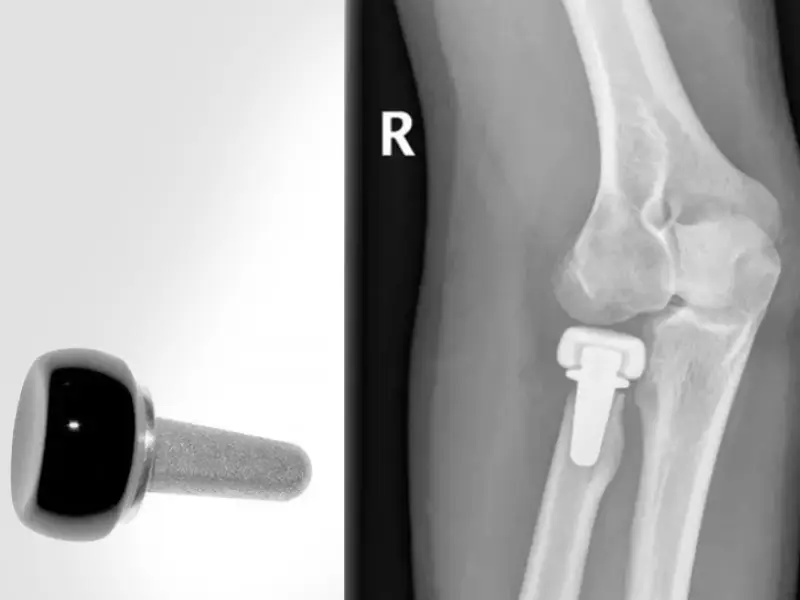
Radial Head Prosthesis: A Surgeon’s Perspective on Restoring Elbow Function
Radial head injuries sit at an uncomfortable intersection of complexity and consequence. For many orthopedic surgeons, fractures of the radial head are not just about broken bone—they are about preserving elbow stability, forearm rotation, and a patient’s ability to return to daily life without pain or limitation. When reconstruction is no longer an option, radial head replacement has become a critical tool in modern elbow surgery.
Over the years, the evolution of radial head prostheses has significantly changed how surgeons approach these challenging cases, especially in complex trauma.
Understanding the Role of the Radial Head
The radial head is a small structure, but its role in elbow biomechanics is disproportionately large. It contributes to valgus stability of the elbow, transmits axial load across the forearm, and allows smooth pronation–supination. When it is severely damaged or excised without replacement, surgeons often see downstream problems—instability, stiffness, chronic pain, and early degenerative changes.
This is why, in non-reconstructable fractures, simply “removing the problem” is no longer considered sufficient. Preserving or restoring the radial head has become central to achieving durable functional outcomes.
What Surgeons Commonly Encounter in Radial Head Injuries
From a surgical standpoint, radial head fractures are rarely isolated. They frequently present alongside:
- Ligamentous injuries
- Coronoid fractures
- Elbow dislocations
- Complex forearm trauma
In these situations, internal fixation may not provide reliable results, especially when the radial head is fragmented beyond repair. Many surgeons emphasize that stability, not just union, is the key determinant of success in these cases.
Radial head replacement allows surgeons to immediately restore the structural role of the radial head, providing a stable foundation on which soft tissues can heal and rehabilitation can safely begin.
Product Overview
The Radial Head Prosthesis is designed to address exactly these clinical realities. It is a precision-engineered implant intended to replace the native radial head when reconstruction is not feasible due to fracture severity or joint pathology.
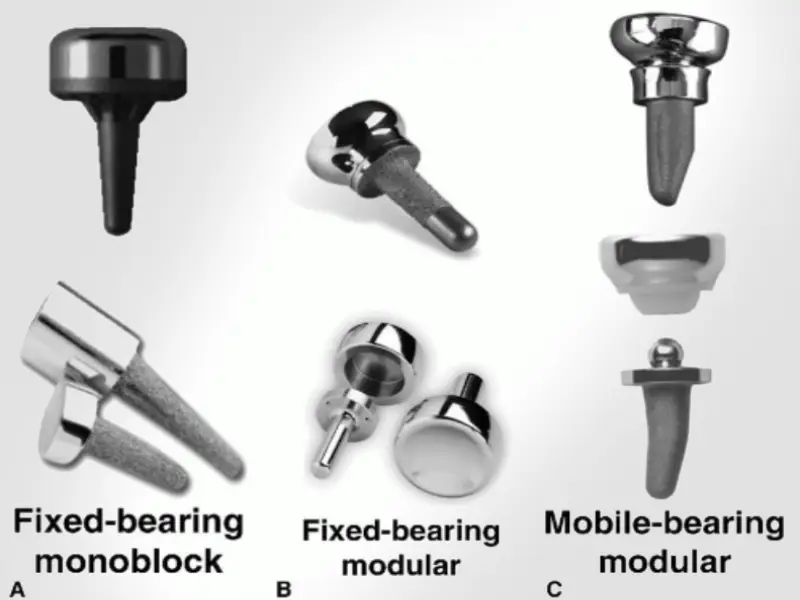
Manufactured using high-grade biocompatible materials, the prosthesis is available in multiple modular configurations. This modularity is particularly valued by surgeons, as elbow anatomy varies widely and small mismatches can lead to overstuffing, stiffness, or instability.
The anatomical design supports normal elbow mechanics and facilitates smooth articulation with the capitellum. Both press-fit and cemented fixation options are available, giving surgeons the flexibility to adapt to bone quality, patient age, and intraoperative findings.
Why Modularity Matters in the Operating Room
Surgeons often highlight modularity as one of the most important features of a radial head prosthesis. During surgery, precise sizing is essential. Even a few millimeters of overlength can significantly alter elbow kinematics.
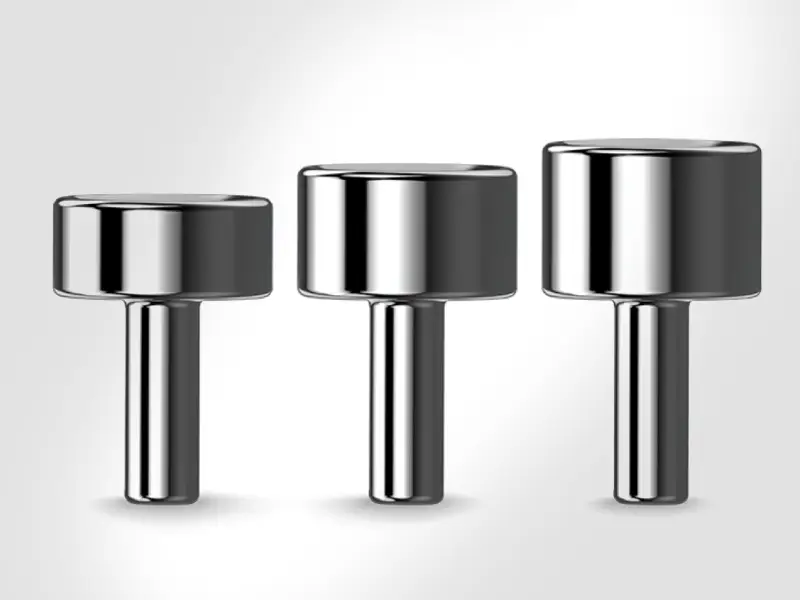
Interchangeable head diameters, thicknesses, and stem sizes allow intraoperative fine-tuning. This flexibility reduces the risk of joint overstuffing while helping restore the native anatomy as closely as possible—something experienced elbow surgeons consistently emphasize as critical for good long-term outcomes.
Materials and Their Clinical Relevance
Material choice plays a key role in implant performance. Titanium alloy stems offer excellent biocompatibility and load transfer, while head options in cobalt-chrome or pyrocarbon provide strength and wear resistance.
From a clinical perspective, surgeons value materials that maintain smooth articulation with the capitellum while minimizing wear-related complications over time. These material combinations are designed to perform reliably under repetitive motion and load, which is essential given the elbow’s role in daily functional activities.
Intended Use in Real-World Practice
Radial head prostheses are most commonly used in adult patients with:
- Non-reconstructable radial head fractures (such as Mason Type III or IV)
- Post-traumatic degeneration
- Chronic elbow instability
- Failed previous radial head surgeries
In complex trauma cases, replacing the radial head often makes the difference between a stable, functional elbow and one prone to long-term complications.
Postoperative Outcomes and Rehabilitation
Surgeons frequently stress that successful radial head arthroplasty does not end in the operating room. Early, controlled rehabilitation is critical to prevent stiffness while protecting healing soft tissues.
When patient selection is appropriate and surgical technique is sound, radial head replacement can reliably restore stability, preserve motion, and improve pain-free function. Potential complications such as loosening or stiffness must be monitored, but with modern implant design and proper technique, outcomes have become increasingly predictable.
A Reliable Tool in Complex Elbow Trauma
The modern Radial Head Prosthesis has evolved into a dependable solution for one of orthopedics’ more challenging injury patterns. By combining anatomical design, modular flexibility, and advanced materials, it supports surgeons in making confident intraoperative decisions and helps patients regain meaningful elbow function.
At Kaushik Orthopaedic, our focus is on providing implants that align with real-world surgical needs—tools that help surgeons restore anatomy, stability, and motion where it matters most.