12 Oct 2025
Paediatric Orthopaedics
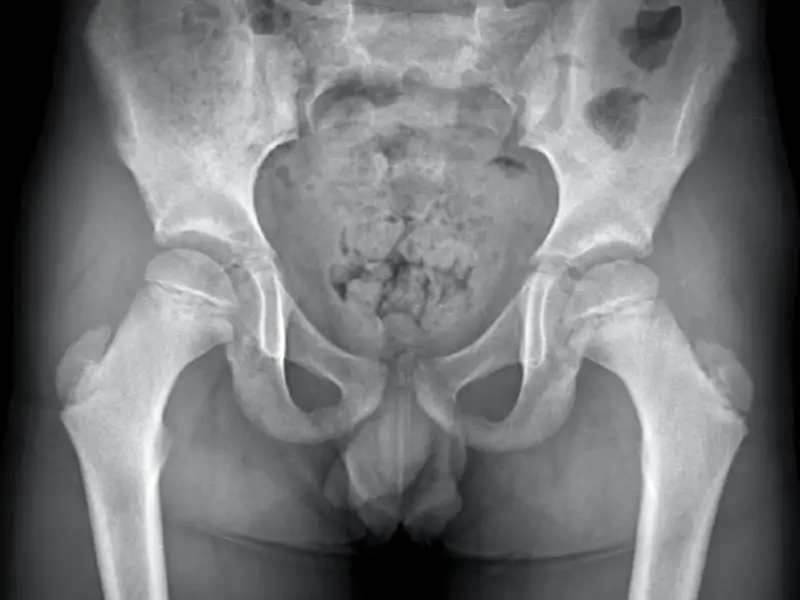
Paediatric Orthopaedics: Treating Today’s Children With Tomorrow in Mind
Paediatric orthopaedics occupies a unique and deeply responsible space within musculoskeletal care. For doctors, surgeons, and healthcare providers, working with children is not simply about fixing bones—it is about safeguarding growth, alignment, and function over an entire lifetime. Every fracture, deformity correction, or stabilisation procedure carries implications that may only fully reveal themselves years later.
Unlike adult orthopaedics, paediatric care demands an understanding of growth plates, evolving anatomy, and the remarkable—but delicate—healing capacity of young bones. Surgeons must balance stability with flexibility, correction with restraint, and immediate outcomes with long-term development. This complexity is precisely what makes paediatric orthopaedics both challenging and increasingly important.
Why Paediatric Orthopaedics Is Gaining Greater Importance
Across healthcare systems worldwide, paediatric orthopaedics is receiving renewed attention. Improved survival rates, better diagnostic tools, and rising awareness among parents mean more children are being evaluated and treated earlier. At the same time, urbanisation and increased mobility have contributed to a higher incidence of paediatric trauma, from road traffic accidents to sports-related injuries.
Healthcare providers today are also expected to deliver outcomes that go beyond union and alignment. Families want children to return to school, play, and daily life quickly—and without long-term limitation. This has shifted clinical focus toward implants and techniques that support early mobilisation while remaining respectful of growth and biology.
The Need Is Especially Acute in Emerging Markets
In emerging markets such as India, Latin America, and South-East Asia, the demand for high-quality paediatric orthopaedic care is particularly pronounced. These regions have large paediatric populations and a significant trauma burden, often compounded by delayed presentation and limited access to specialised care.
Surgeons working in these environments frequently manage complex cases under real-world constraints. What they need are implants that are not only clinically sound, but also dependable, adaptable, and designed specifically for paediatric anatomy—not adult systems scaled down as an afterthought. The gap between clinical need and available paediatric-specific solutions is something many healthcare providers feel daily.
Why Paediatric Implants Require a Different Philosophy
Children heal faster, but they also grow—and growth can undo poorly planned interventions. A rigid solution may solve today’s problem while creating tomorrow’s deformity. For this reason, paediatric implants must work with biology rather than against it.
Surgeons often favour systems that allow controlled correction, flexible stabilisation, and minimal disruption to growth plates. Whether it is guided growth around the knee, stabilising a paediatric hip, or managing long bone fractures, the implant must quietly support healing while allowing the child’s body to do the rest.
Kaushik Orthopaedic’s Approach to Paediatric Solutions
At Kaushik Orthopaedic, paediatric orthopaedics is not viewed as a niche add-on, but as a natural extension of decades of experience in trauma and deformity care. With a 35-year track record in manufacturing high-quality orthopaedic implants, the company has steadily evolved its paediatric range by listening closely to surgeons and understanding the realities of clinical practice in emerging markets.
Rather than focusing on volume, the emphasis has been on developing thoughtful solutions—implants that feel intuitive in the operating room and dependable during recovery. From paediatric hip stabilisation and guided growth procedures to flexible nailing and external fixation, the goal remains consistent: provide tools that respect growth while offering surgeons confidence.
Supporting Real Surgical Scenarios
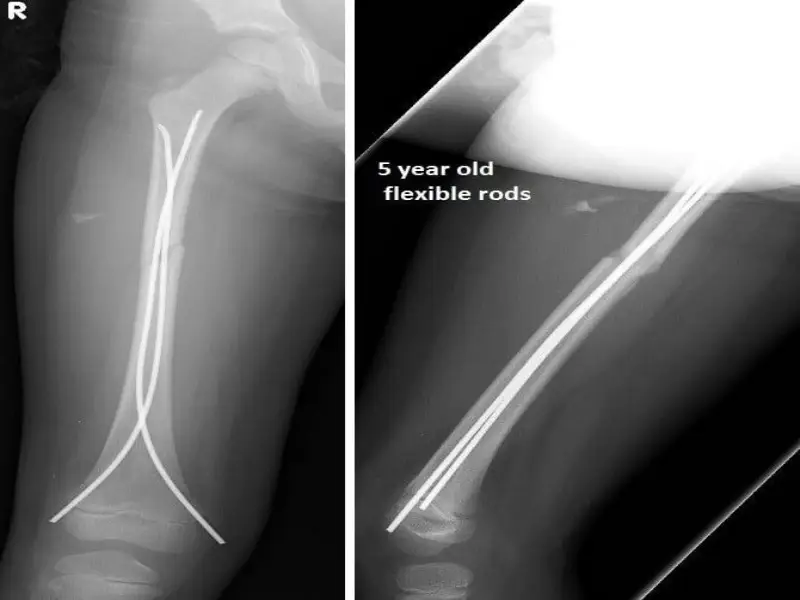
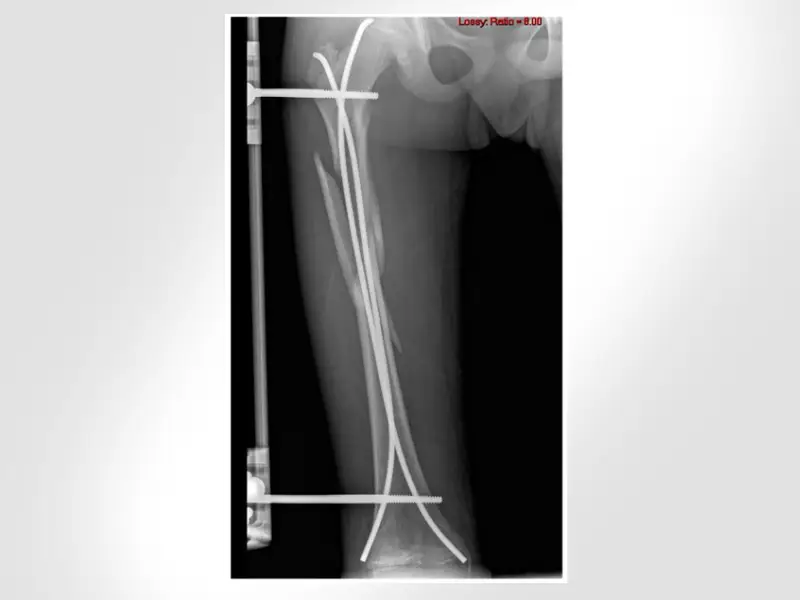
In day-to-day paediatric practice, surgeons encounter a wide spectrum of cases. A guided growth plate may be chosen to gradually correct angular deformities without aggressive intervention. Flexible intramedullary nails may be preferred for long bone fractures to allow micromotion and early mobility. In more complex scenarios—such as limb deformity correction or length discrepancies—ring fixators offer the versatility needed to manage gradual, precise adjustments.
Kaushik Orthopaedic’s paediatric range has been shaped around these real surgical decisions, ensuring that implant options align with how paediatric orthopaedics is actually practiced—not just how it looks in theory.
Looking Ahead
As paediatric orthopaedics continues to grow in importance, especially in resource-diverse healthcare systems, the role of reliable, purpose-built implants becomes even more critical. Surgeons need partners who understand that success in paediatric care is measured over years, not weeks.
By combining an expanding paediatric portfolio with decades of manufacturing expertise, Kaushik Orthopaedic aims to support healthcare providers in delivering care that stands the test of time—helping children heal, grow, and move forward with confidence.
Because in paediatric orthopaedics, every decision made today shapes a lifetime of outcomes.