Overview – Dynamic Fixator System
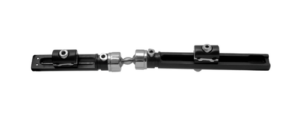
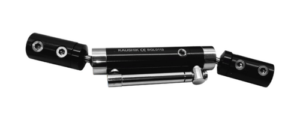
The Dynamic Fixator System is an advanced external fixation device designed to stabilize fractures while allowing controlled axial micro-movement at the fracture site. This dynamic capability promotes natural bone healing by stimulating callus formation while maintaining proper alignment and stability of the fractured bone.
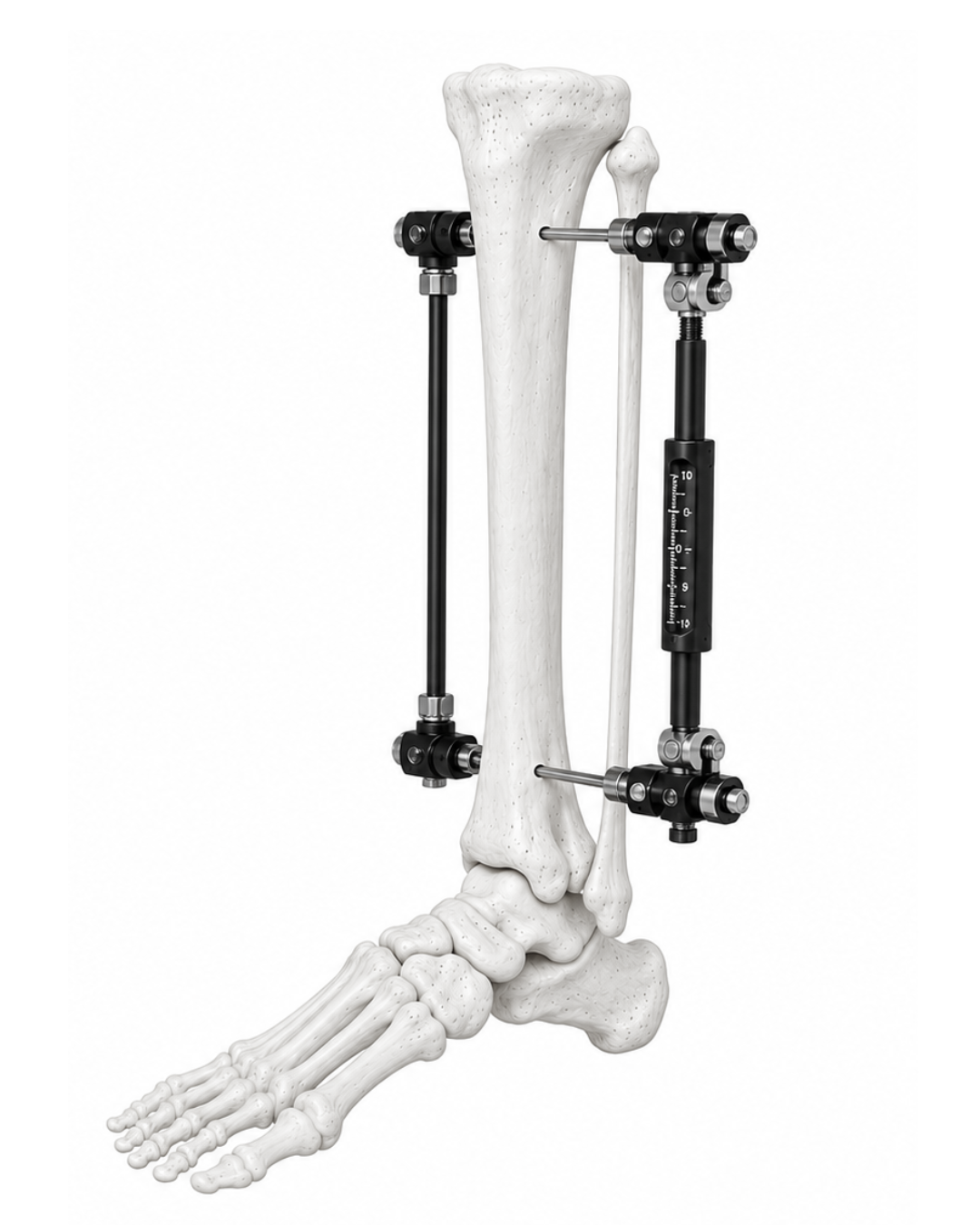
The system typically consists of connecting rods, clamps, and bone fixation pins (Schanz screws) that are assembled externally to create a rigid yet adjustable construct. Its modular design enables surgeons to configure the fixator according to the fracture type, bone anatomy, and surgical requirements.
Unlike rigid external fixation systems, the dynamic mechanism permits limited controlled compression or distraction, which helps enhance biological healing and reduces the risk of delayed union or non-union. The system can be applied quickly in trauma settings and adjusted postoperatively without additional surgical intervention.
The Dynamic Fixator System is widely used in orthopedic trauma management, particularly for long bone fractures such as tibia, femur, and humerus, as well as in cases involving open fractures, soft tissue damage, limb reconstruction, or temporary stabilization before definitive internal fixation. Its design allows surgeons to maintain fracture alignment while enabling early patient mobility and easier access for wound care.