Overview – Lumbar Spinal Cage System
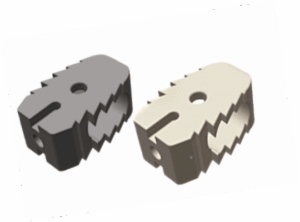
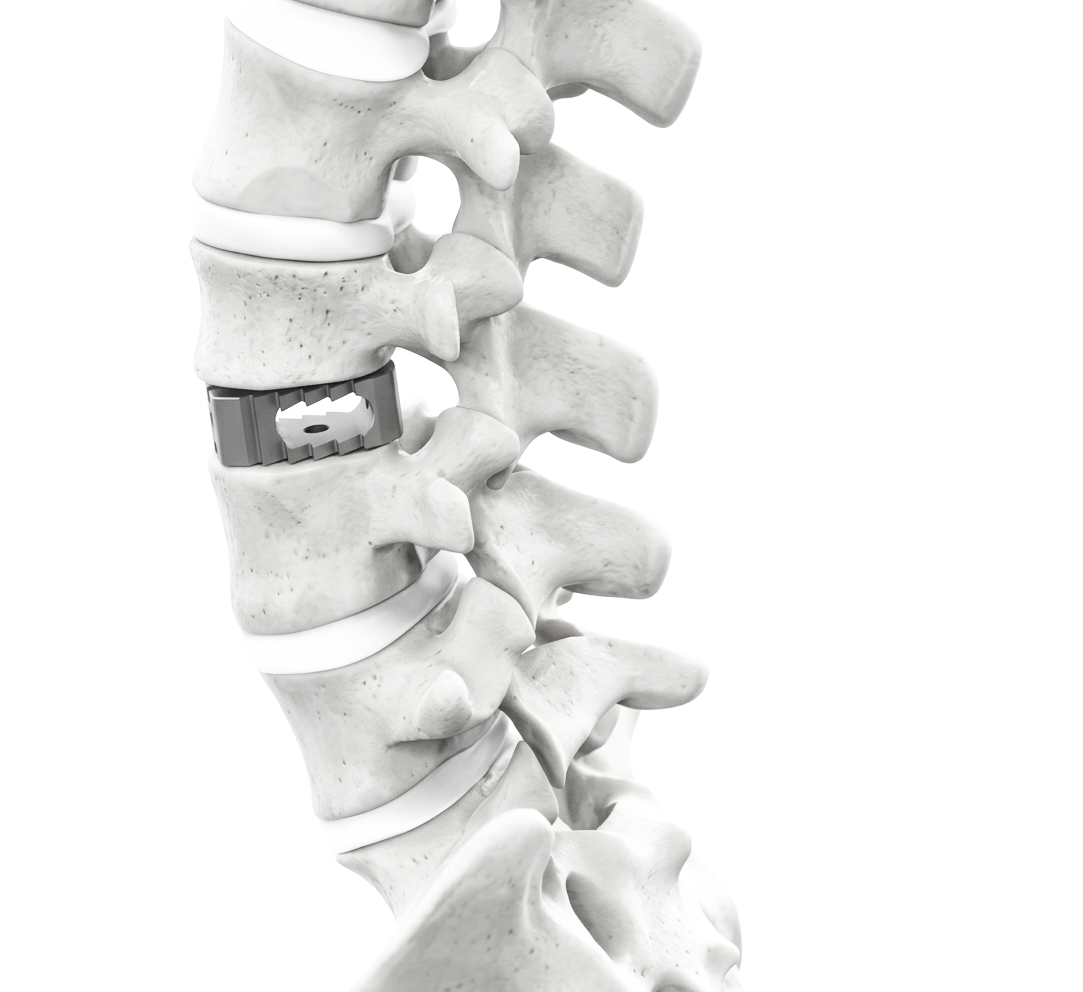
The Lumbar Spinal Cage System is designed for interbody fusion procedures in the lumbar spine, providing stable anterior column support while promoting bony fusion and restoring disc height. These cages facilitate spinal stabilization in cases of degenerative disc disease, spondylolisthesis, trauma, or deformity, while preserving proper spinal alignment and biomechanics.
The system includes interbody cages in various sizes and shapes, including lordotic, straight, and anatomical designs, tailored to fit patient-specific anatomy. Cages feature porous surfaces or graft windows to promote osseointegration and facilitate bone graft incorporation. Modular instrumentation, including trial implants, inserters, and distractors, ensures accurate placement, minimal endplate disruption, and efficient surgical workflow.
All implants are manufactured from high-strength Titanium or PEEK (Polyetheretherketone), providing biocompatibility, radiolucency (PEEK), and corrosion resistance. Surface textures and fenestrations support bone growth while maintaining mechanical stability under physiological load.
With a focus on anatomical design, modularity, and surgical precision, the Lumbar Spinal Cage System enables surgeons to perform interbody fusion safely and effectively. These cages restore disc height, maintain spinal alignment, provide rigid stabilization, and support early mobilization, ultimately improving functional outcomes and long-term patient recovery in lumbar spine surgery.