09 Jul 2025
Raw Materials
What Orthopaedic Implants Are Really Made Of—and Why It Matters
When an orthopaedic implant is placed inside the body, it quietly takes on a demanding role. Every step, lift, and movement transfers force through that implant—sometimes for decades. While implant design and surgical technique are often discussed, the material itself plays an equally decisive role in how an implant performs over time.
For surgeons and healthcare providers, material choice influences mechanical strength, fatigue resistance, biological response, imaging clarity, and long-term reliability. Understanding these materials helps explain why different implants behave differently—even when they appear similar on the surface.
Strength, Biology, and the Environment Inside the Body
Orthopaedic implants operate in a uniquely harsh environment. They experience repeated loading and unloading while remaining in constant contact with bone, blood, and soft tissue. An implant material must therefore satisfy two competing demands: mechanical endurance and biological acceptance.
Some materials excel at raw strength, others at bone friendliness, and still others at visibility on imaging. Modern orthopaedics relies on a toolkit of materials, each chosen for what it does best.
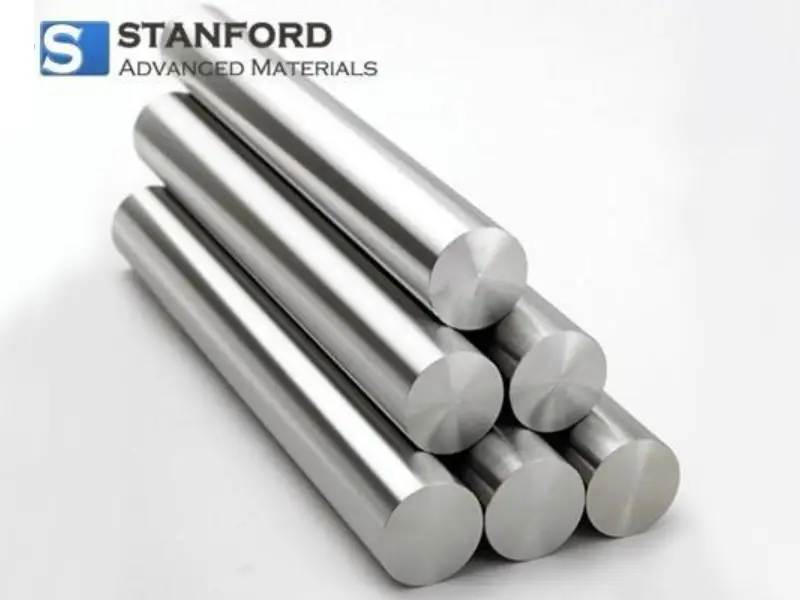
Stainless Steel: Dependable and Time-Tested
Medical-grade stainless steel has been used in orthopaedics for decades and remains a mainstay, particularly in trauma care. Its high tensile strength, toughness, and resistance to sudden failure make it well suited for plates, screws, and fixation systems that must withstand significant load.
From a surgeon’s perspective, stainless steel offers predictability. It performs reliably in high-stress situations such as fractures requiring immediate stability. While stiffer than bone, its mechanical robustness makes it invaluable in acute trauma scenarios where strength is non-negotiable.
Titanium: Designed to Work With Bone
Titanium alloys brought a shift toward materials that actively support biology. Lighter than stainless steel and more compatible with living tissue, titanium encourages better interaction between implant and bone.
Its lower stiffness helps reduce stress shielding, allowing bone to experience more natural loading. Over time, this can support healthier bone behaviour around the implant. Titanium’s excellent corrosion resistance also makes it suitable for long-term implantation, where durability and biocompatibility are equally important.
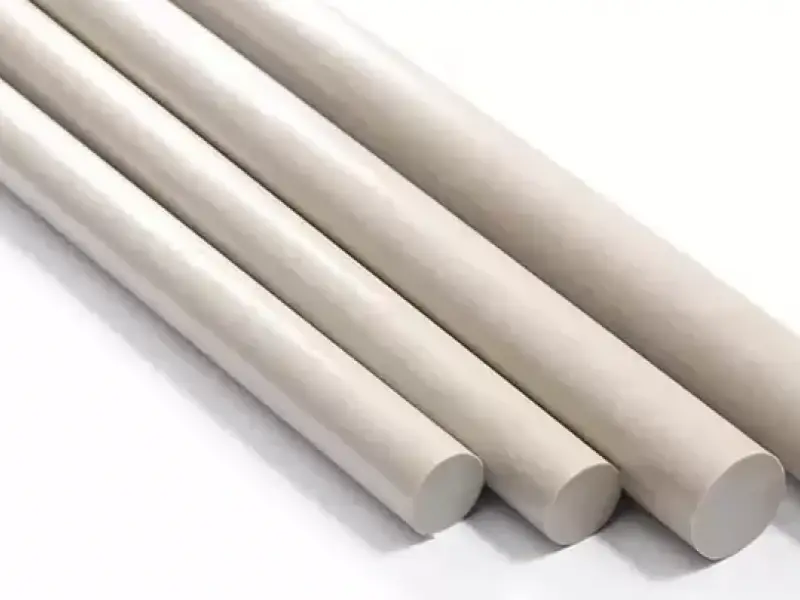
PEEK: When Metal Isn’t the Best Answer
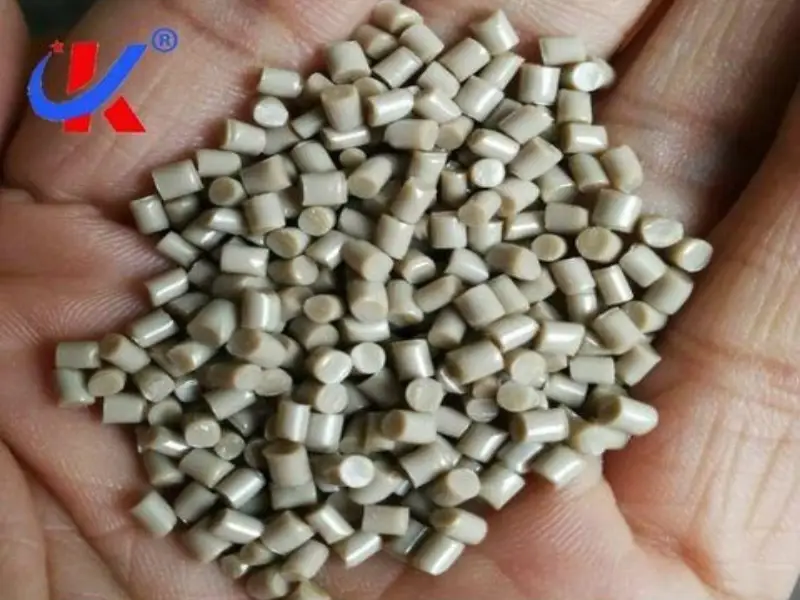
In certain applications—particularly in the spine—metal is not always ideal. This is where PEEK (polyether ether ketone) has found a valuable role. As a high-performance polymer, PEEK has an elastic modulus closer to that of bone, helping distribute load more naturally.
One of PEEK’s most practical advantages is radiolucency. On X-rays and CT scans, PEEK does not block the view of bone, making it easier for surgeons to assess fusion and healing. These properties have made it especially popular in spinal cages and similar implants.
Choosing Materials Is a Clinical Decision
There is no universally superior implant material. The “best” choice depends entirely on the clinical situation. Trauma fixation may demand the strength of stainless steel. Long-term implants may benefit from titanium’s biological advantages. Spinal applications may prioritise the imaging clarity and load-sharing behaviour of PEEK.
Experienced surgeons select materials the same way they select techniques—based on anatomy, biomechanics, and the patient’s long-term needs.
Kaushik Orthopaedic’s Material Approach
At Kaushik Orthopaedic, material selection is guided by clinical relevance rather than uniformity. With more than 35 years of experience in manufacturing orthopaedic implants, the company works across multiple material platforms.
Kaushik Orthopaedic offers implants in stainless steel and titanium, supporting a wide range of trauma and reconstructive procedures. In addition, select products—such as spinal cages manufactured in PEEK—reflect the company’s use of advanced materials where they provide meaningful advantages to surgeons and patients.
Looking Beneath the Implant
In orthopaedics, success is often quiet. When an implant does its job well, it fades into the background while healing takes centre stage. The right material makes this possible—by carrying load, supporting biology, and standing the test of time.
As implant technology continues to evolve, materials will remain at the core of reliable orthopaedic care. Understanding them helps explain why some implants endure—and why thoughtful material choices continue to matter as much as ever.